

Home wastewater systems are used on properties that are not connected to a reticulated sewer network.
In the Gisborne district, this includes homes in all areas outside Gisborne city, Te Karaka and Te Puia townships, including Wainui Beach, Makaraka and surrounding rural and coastal areas.
When everything is working well, managing your own wastewater system is relatively straightforward. But if something goes wrong, it can be unpleasant and costly to fix. Whether you're using or installing a septic tank, this information will help you get it right.
What are onsite wastewater systems?
Onsite wastewater systems are used to manage and dispose of all household wastewater, including everything that goes down household drains and toilets.
With an onsite system, there’s no such thing as “flush and forget.” All liquid household waste must be safely and hygienically treated and disposed of on your property. Your wastewater system is a living system that relies on natural processes to function effectively.
A well-functioning system treats and contains wastewater without contaminating groundwater or surface water and without harming the environment.
Types of systems
There are 2 main types of onsite wastewater systems:
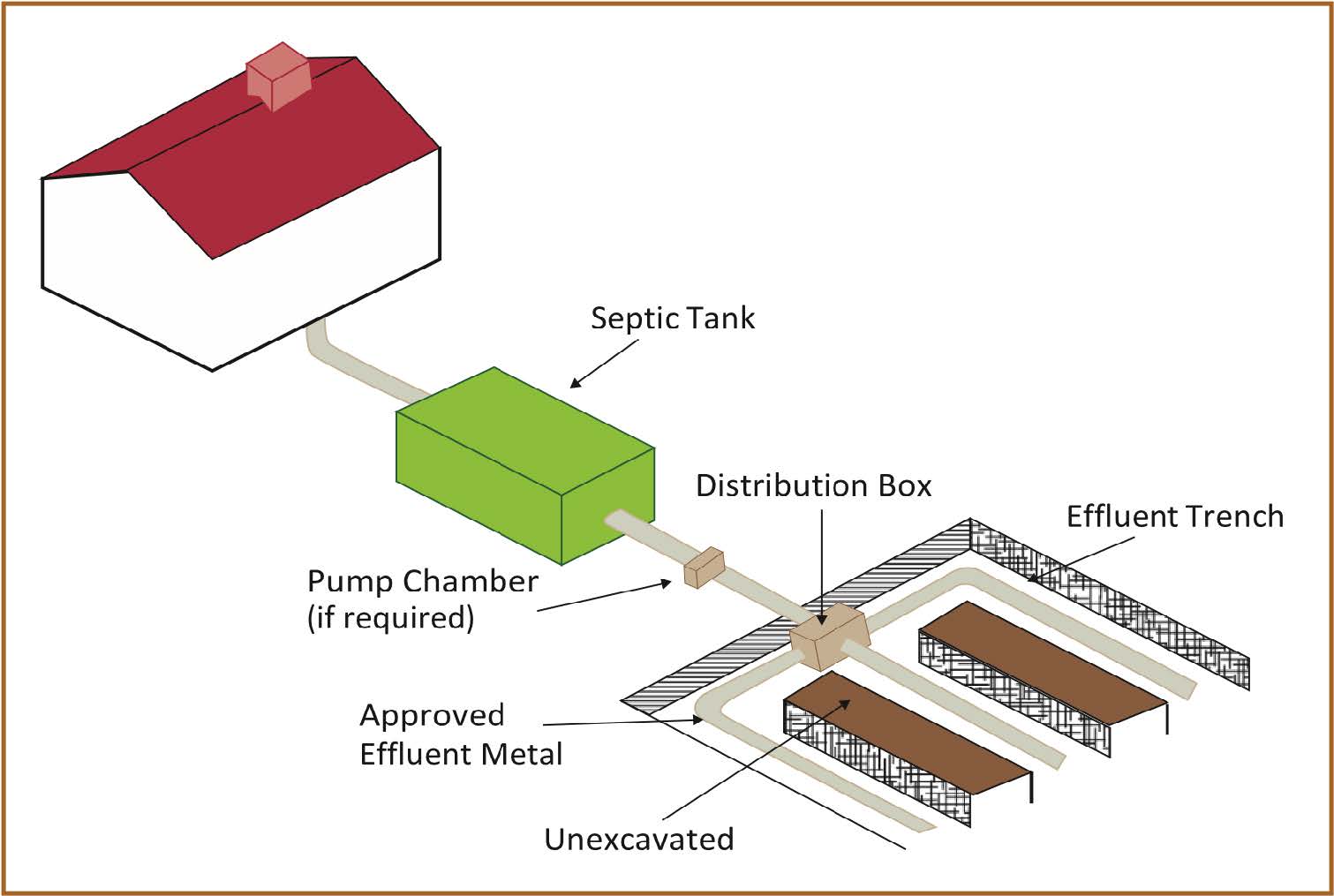
- Septic tank systems - one or more tanks with a gravity-fed or pumped effluent disposal field.
- Home treatment systems - usually paired with a dripper-line disposal system.
Your wastewater system may include:
- Sanitary plumbing fixtures connected to drainpipes that carry sewage and sullage (wastewater from kitchens, wash basins, toilets and laundries).
- Treatment tanks – passive, aerated or filtered
- A distribution system - pump, siphon or gravity fed
- An effluent disposal system - trenches, beds, mounds or dripper lines.
How the system works
The type of onsite wastewater system you install will depend on your property. Most systems work in a similar way: wastewater is gradually separated, treated and dispersed, with help from natural organisms.
Just like our digestive systems rely on beneficial bacteria, septic tanks rely on anaerobic bacteria to partially break down solid waste. These organisms are essential to the system's performance, which is why your septic tank should be kept free from harsh chemicals wherever possible.
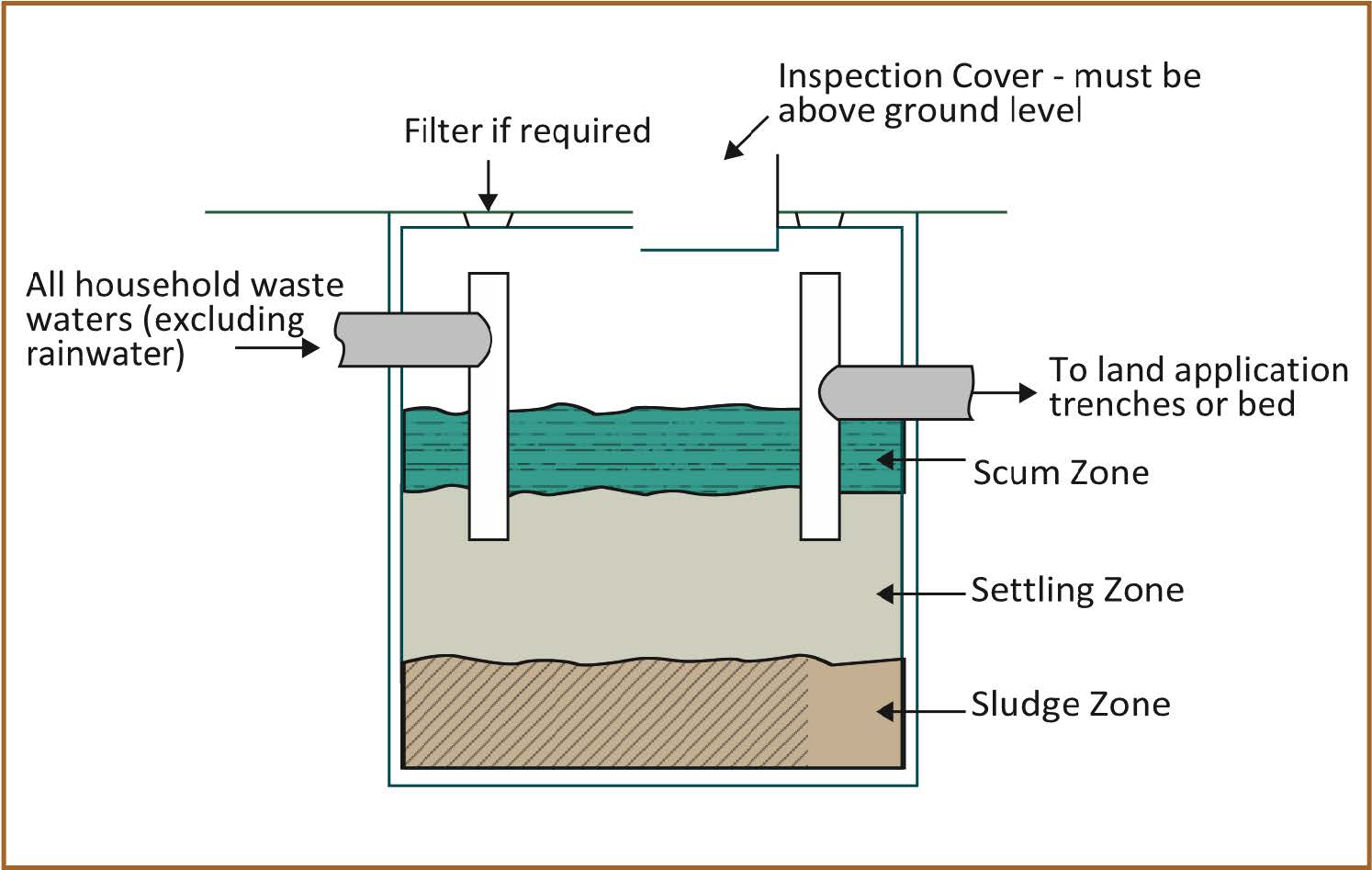
When you flush the toilet or use a tap, sewage and sullage flow into the septic tank. Heavier solids settle to the bottom to form sludge, while fats, oils and lighter materials float to the top and form a layer of scum.
The intermediate liquid — known as the settling zone — contains wastewater that has had most of its organic matter digested by the tank’s “bugs” (anaerobic bacteria).
This liquid is then discharged into an effluent dispersal system built into the ground, where it receives further treatment from organisms living in the drainage metal and surrounding soil.
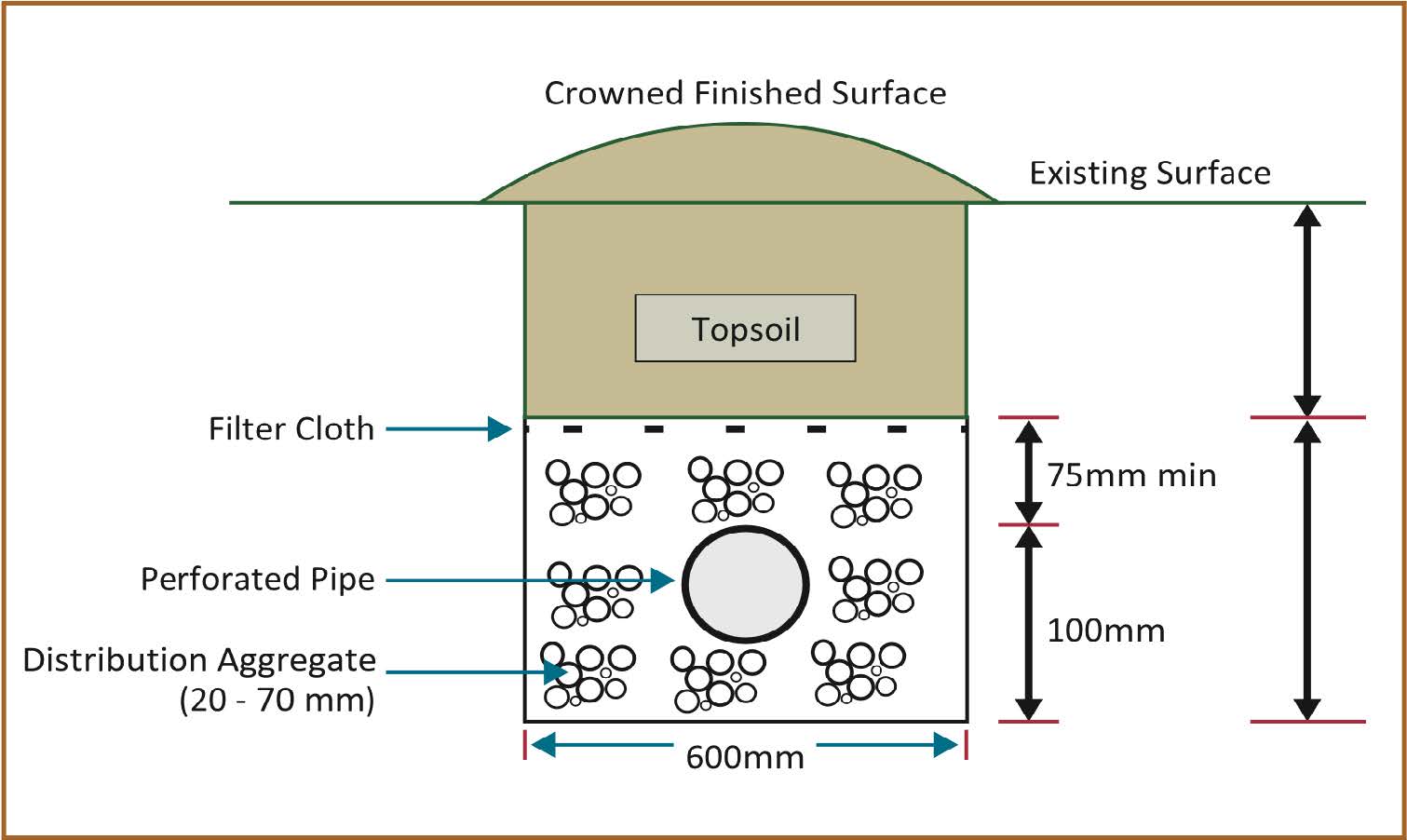
An effluent trench or bed is dug deep enough for treated wastewater to safely soak into the ground - without contaminating groundwater.
- The trench or bed is lined with clean, washed river metal.
- A distribution pipe is laid flat within the metal.
- A textile filter cloth is placed over the metal before backfilling. This prevents soil from moving downward and clogging the drainage metal.
- The top of the trench system must be crowned to stop rainwater from pooling.
🚫 Important: Never dispose of chemicals - such as paint, disinfectant, petrol, flammable liquids or bleach - down your drains or toilets. These substances can wipe out the organisms your septic tank relies on to function properly.
Installing a wastewater system
If you’re installing a new onsite wastewater system, it’s important that the treatment tanks and effluent disposal area are correctly sized. This ensures the system has enough time and space to treat and disperse wastewater efficiently.
Talk to a professional
A qualified wastewater professional can help you choose the most suitable system and determine the correct size and location for your property.
Site evaluation and design
Before a building consent can be issued, your system will need a site-specific evaluation and design.
Consents for your wastewater system
Installing or upgrading an onsite wastewater system usually requires both a building consent and a resource consent.
Building consent
Before a building consent can be issued, your system must undergo a site evaluation and design assessment. You’ll need to provide:
- A scaled site plan.
- Details of the system type, size and layout.
- Evidence that the design work has been completed by a recognised wastewater engineer or approved assessor
Tip: One of the most important parts of the evaluation is assessing your soil’s soakage capacity. Sands and gravels allow water to drain quickly, while dense clay soils may have limited or no soakage capacity.
A qualified assessor will design a system that suits your site conditions. There are no shortcuts. A poorly designed system can fail, causing surface ponding, unpleasant odours, health risks and environmental contamination.
Resource consent
Onsite wastewater systems must meet environmental standards under:
- The Resource Management Act
- The Tairāwhiti Resource Management Plan
They must also comply with:
- The New Zealand Building Code
- The Building Act, including functional and durability requirements
Exempt work
Some like-for-like maintenance work may not require a building consent under exemptions provided in Schedule 1 of the Building Act. However, replacing a failed effluent line, even on a like-for-like basis, will generally still require a building consent.
Why? Because a failed system does not comply with the relevant provisions of the Tairāwhiti Resource Management Plan, the exemption is unlikely to apply.
Specialists and service agents
Some wastewater professionals carry out onsite assessment and design work specific to particular system brands. However, you can still use the information from your initial site assessment to get quotes from a range of qualified drainlayers.
You’re welcome to use any recognised wastewater site assessors and system designers listed below. Please note:
- The list is not comprehensive.
- Council does not endorse specific products or services.
- You may wish to seek quotes from other suitably qualified providers.
| Web | Phone | Mobile | Address | ||
|---|---|---|---|---|---|
| Land Development & Exploration LDE | www.lde.co.nz | (06) 867 3035 | 027 4989 636 | info@lde.co.nz | 32 Grey St |
| Gary Thompson | (06) 867 7915 | 027 4410 895 | g.pthompson@xtra.co.nz | 176 Stanley Rd | |
| Terry Taylor Drainage | (06) 868 5383 | terrytaylor@xtra.co.nz | 89 Customhouse St | ||
| Alan Hall | (06) 862 5597 | 027 2724 907 | oaklandtruffle@xtra.co.nz | ||
| Carl Horne | (06) 868 1543 | 021 903 061 | carlandtech@xtra.co.nz | 834 Gladstone Rd | |
| WSP Consultants | (06) 868 5199 | 021 240 5541 | sarah.millar@wsp.com | ||
| Civil Projects Solutions | 0800 PROJECT | 021 471 289 | jacques.loiseau@civilprojects.co.nz |
The use of any firms or people listed does not constitute an official endorsement or approval by the Gisborne District Council of any product or service, that they provide or to the exclusion of others that may be suitable.
You may use your assessment to get quotes from a number of drainlayers and are in no way obliged to use the drainlayer who carried out the assessment.
Regular cleaning helps keep your wastewater system working efficiently and prevents costly problems. Some local agents offer septic tank cleaning services:
| Phone | |
|---|---|
| Gizzy Waste | 867 3606 |
| Terry Taylor Drainage | 868 5383 |
| Envirowaste | 868 6007 |
| Chaffey's Waste Services Ltd | 021 730 165 |
| TGRAY Services | 0210 258 4080 |
Several companies and agents in the Gisborne district offer maintenance services for domestic wastewater treatment systems.
| Type of wastewater system | Recommended servicing frequency | Agent contacts |
|---|---|---|
| Bio-Cycle | 6 monthly | Terry Taylor Drainage Ltd P: 06 868 5383 E: terrytaylor@xtra.co.nz |
| Oasis Clearwater | 6 monthly | Terry Taylor Drainage Ltd P: 06 868 5383 E: terrytaylor@xtra.co.nz |
| Biolytix | Annually | Tairawhiti Plumbing Services Limited M: 0275 362 105 E: Tairawhitiplumbingservices@gmail.com |
| Aquablue | 6 monthly | |
| Devan Blue | 6 monthly | Brian Rofe M: 0272 416 850 E: Brian.rofe@electricnet.nz |
| Terry Taylor Drainage Ltd P: 06 868 5383 E: terrytaylor@xtra.co.nz | ||
| NaturalFlow | Annually | Tairawhiti Plumbing Services Limited M: 0275 362 105 E: Tairawhitiplumbingservices@gmail.com |
| Integra S-Series | 6 monthly | Tairawhiti Plumbing Services Limited M: 0275 362 105 E: Tairawhitiplumbingservices@gmail.com |
| KiwiTreat | 6 monthly |
KiwiTreat Limited Rangiora P: 03 312 5787 |
| HYNDS Lifestyle | 6 monthly |
Terry Taylor Drainage P: (06) 868 5383 E: terrytaylor@xtra.co.nz |
| Tannerman Plumbing P: 0224 574 070 E: tannermanplumbing@gmail.com | ||
| Innoflow - Advantex | Annually |
Walters Plumbing P: (06) 867 3065 W: waltersplumbing@xtra.co.nz |
| AirTech 9000 | 6 monthly | Steve Wolter M: 0274 839 663 E: thewolterfamily@xtra.co.nz |
| Watercycle | Annually |
Brian Rofe M: 0272 416 850 E: Brian.rofe@electricnet.nz |
| Septech Turbo Jet 2000 | Annually |
Contact Council P: 0800 653 800 |
| Gould Tanks | 6 monthly |
Contact Council P: 0800 653 800 |
| Enviroflow | 6 monthly | Contact Council P: 0800 653 800 |
| General Servicing | Contact Council P: 0800 653 800 |
Looking after your system
Regular maintenance helps your wastewater system operate efficiently and can prevent costly repairs or system failure.
Key maintenance tips:
- Desludge your tank every 3 to 5 years, or when scum and sludge fill two-thirds of the tank capacity (or the first chamber of a two-chamber system).
- Keep vehicles and heavy animals, such as cattle and horses, off your tank and effluent disposal area.
- If you have a grease trap, clean it out regularly.
- Keep the vent and access cover of the septic tank exposed.
- Inspect and clean outlet filters if your system has one.
If things go wrong
A failed onsite wastewater system is a serious health and environmental hazard. It can lead to:
- Spread of infectious disease
- Increase in mosquitoes, flies and rodents
- Pollution of waterways, beaches, streams and shellfish beds
- Contamination of bores, wells and groundwater
- Air pollution and unpleasant odours
Regular cleaning and maintenance are essential to avoid these risks.
Costs to consider
Costs vary depending on the type of system, location and site conditions:
- Basic septic tank systems are generally more affordable than complex systems for sites with poor soakage or limited space
- Transport costs to remote areas can add significantly to installation and servicing fees
- Cleaning and servicing costs depend on your location - contractors often charge for time and mileage
- Systems installed since 2002 should have an outlet filter on the second tank or chamber - these must be cleaned regularly to prevent backups
- Systems with pumps, home treatment plants or low-pressure dosed effluent systems have ongoing power costs and may require maintenance twice a year.
Note: All maintenance is the homeowner’s responsibility.
Guides and information
No results found for ""